
15 gardening tips for November
As the days get shorter in November, there are plenty of jobs to do in the garden, getting ready for winter. It’s not all gloom, though, as there’s plenty to plant for next spring too! Here are our top 15 gardening tips for November.
Top 15 gardening tips for November
-
November is the ideal time to plant tulips in pots and borders for fabulous colour next spring. And if you haven’t planted daffodils, crocuses and other spring bulbs yet, there’s still time to do it.
-
Sow broad bean ‘Aquadulce Claudia’ outdoors now for an earlier crop next year. If mice are a problem, cover the beds with netting or sow your beans in pots in a greenhouse.
-
Sow salad on a sunny windowsill to give you a supply of fresh leaves through winter.
-
Sow sweet peas this month for earlier flowers next year. Soak the seeds in water overnight to improve germination, then sow in individual pots filled with compost, water them and place them in a cold frame or greenhouse.
-
Plant up patio pots and windowboxes with violas, cyclamens and colourful evergreens like heucheras and heather to give you winter colour when the weather is dark and gloomy.
-
Plant garlic cloves now so they can get growing early in spring. In light of free-draining soils, you can plant overwintering onions like ‘Radar’ and ‘Electric’ this month.
-
Plant new soft fruit and hedging plants provided the soil is not waterlogged or frozen.
-
Cut back faded perennials, but leave a few hollow flower stems standing to provide homes for insects over winter.
-
Cut old hellebore leaves off at ground level once you can see new leaves starting to emerge. This makes it easier to see the flowers and reduces the spread of hellebore leaf spots.
-
Cut back shrub roses by a third to protect them against wind rock (damage to the roots from winter winds).
-
Harvest parsnips after the first frosts, and they’ll taste sweeter—harvest carrots, cabbage and celeriac this month too.
-
Lift dahlias once the first frosts have blackened their leaves. Leave the tubers to dry, then store them in trays under a layer of compost to keep them from drying out.
-
Mulch beds with a thick layer of organic matter, such as garden compost or well-rotted farmyard manure.
-
Put pots on pot feet to save them from getting waterlogged over winter. In cold areas, wrap the pots in fleece or bubble wrap to give the roots extra protection. Move tender plants into a frost-free place.
-
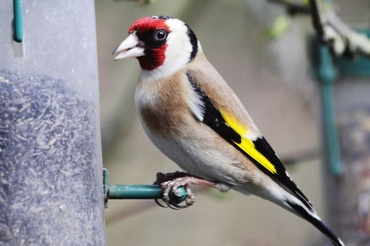
Clean bird feeders and fill them with oil-rich seeds like sunflower hearts and suet balls to support birds through winter. Keep bird baths topped up so that birds have somewhere to drink and bathe.
Beat the winter blues with a visit to our centre, where you’ll find everything you need to prepare your garden for a great display next year!