
Wildlife that’s good for your garden
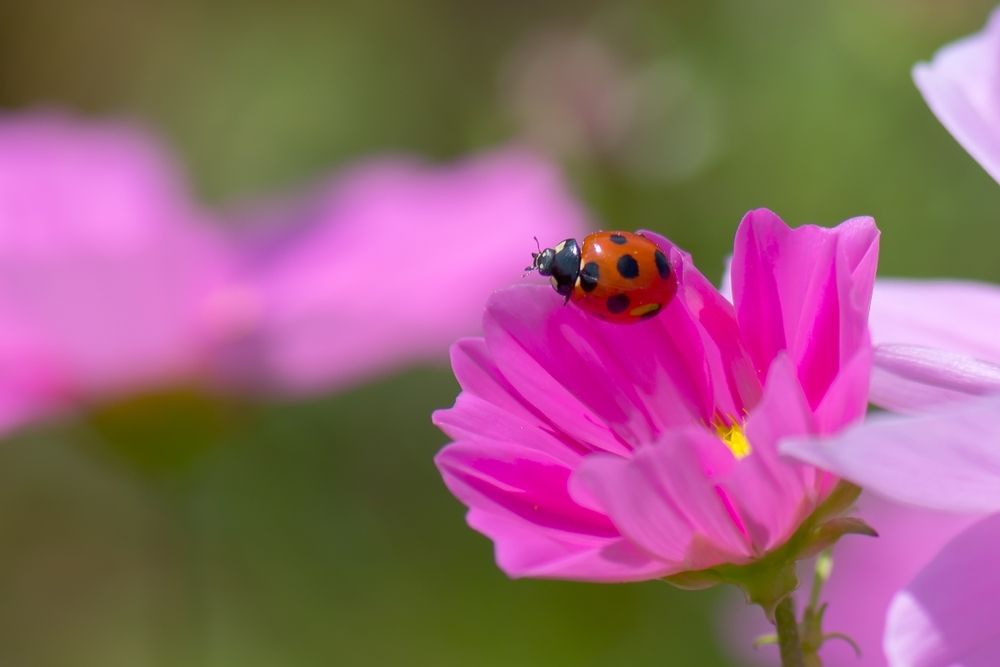
You’re not the only one who enjoys your garden. There’s a whole host of creatures living in it, helping to create a balanced ecosystem. Here are a few to look out for and some tips on encouraging wildlife in your garden.
Ladybirds
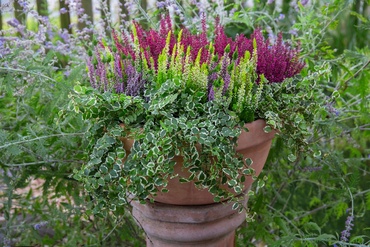
These small, black-spotted red bugs eat huge amounts of aphids, the tiny green or black insects that infest new shoots in spring. A single ladybird can eat around 5000 aphids in its lifetime, so it’s no wonder gardeners love them! Ladybirds also eat pollen, so having pollen-rich plants like
- lavender,
- thyme,
- cosmos,
- yarrow.
Encourage ladybirds to lay their eggs in your garden by planting pollen-rich plants in your garden. This helps to ensure a good population of future ladybirds.
Bees
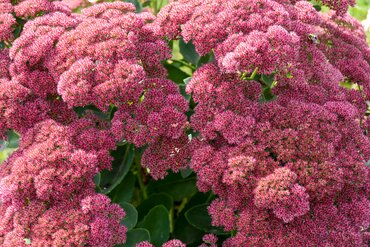
Bees and bumblebees are enormously important pollinators, vital for the health of our ecosystem, so the more we can do to help them, the better. One of the best things we can do as gardeners is to have at least one plant in flower in the garden in each season. As well as all the summer-flowering plants, you could plant ivy for the autumn, winter-flowering shrubs like Sarcococca and Mahonia, and crocuses for early spring flowers. Avoid using pesticides, as this can harm bees and other pollinators.
Earthworms
Earthworms do wonderful things for the soil, consuming leaf litter and compost and working it into the soil, improving structure and nutrient levels. To help your earthworms, mulch your soil annually with compost or leaf mould. The worms will reward you by producing beautifully rich, crumbly soil that plants will thrive in.
Birds
Birds add life and music to the garden with their song, and many birds are also great at pest control. Small birds like blue tits and sparrows eat aphids and other insects, and song thrushes will even eat snails, bashing them on rocks to break their shells.
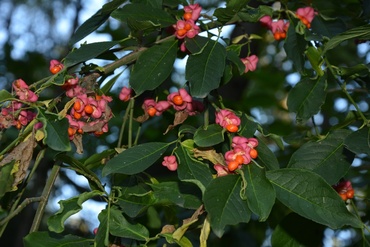
To encourage more birds into your garden, plant berry-bearing shrubs and trees like holly and hawthorn. These provide food in autumn and winter and shelter for nesting birds in spring and early summer. Put up a bird feeder in a sheltered spot, and keep it topped up to encourage more birds into your garden.
Frogs
Frogs do a fantastic job in keeping slugs and snails under control, and you don’t need a huge garden to make a pond for them. Even a large washing up bowl sunk into the ground, filled with rainwater, and planted with aquatic plants will attract wildlife over time. Please place it in a position that gets several hours of sunlight, and make sure there’s a way for wildlife to get in and out safely by placing rocks or a ramp at one end. A log pile near your pond will also encourage amphibians to look for a safe place to overwinter.
If you’d like to make your garden more wildlife-friendly, visit our centre to see our great range of plants and garden accessories. Our friendly staff will be happy to help and advise!