
Watching garden birds in spring
Birds are at their most active in spring, making nests and raising their young, so it’s the perfect time to do a bit of bird-watching. Here are a few of the birds you’re likely to see in your garden, plus some tips on what to feed them to make sure they keep coming back.
Blackbirds
Male blackbirds are easy to identify – they’re black, with a bright yellow beak. Female blackbirds are less noticeable, with brown plumage. Blackbirds eat insects, worms, berries and fruit. They are mainly ground-feeding birds to come to food placed on bird tables or the ground. Try putting out dried mealworms and uncooked oats to attract them.
Blue tits and great tits
Blue tits are small and colourful, with blue, yellow, white and green markings. Great tits are slightly bigger, with yellow and green plumage. Both eat insects, caterpillars, seeds and nuts, and are welcome visitors in gardens, where they eat quantities of aphids in spring.
Blue tits and great tits will visit hanging bird feeders filled with seeds and nuts, tending to snatch a few seeds and take them elsewhere to eat.
Robins
With their bright red breasts and confident manner, robins are a familiar sight in our gardens. They are very territorial, chasing other birds away from their space. Robins eat worms, seeds, insects and fruit, and they love sunflower seeds and mealworms. They are primarily ground-feeders, so although they may occasionally visit a hanging bird feeder, they will prefer feeding tables.
Goldfinches
Goldfinches are tiny birds with bright red faces and yellow markings on their brown wings. Their beaks are perfectly designed for extracting the seeds from plants like teasels, thistles and dandelions, so leave a few dandelions growing in the corner of your garden to attract them. Hanging up a nyjer seed feeder will also help bring goldfinches into your garden, as they love the tiny black oil-rich seeds.
Song thrushes
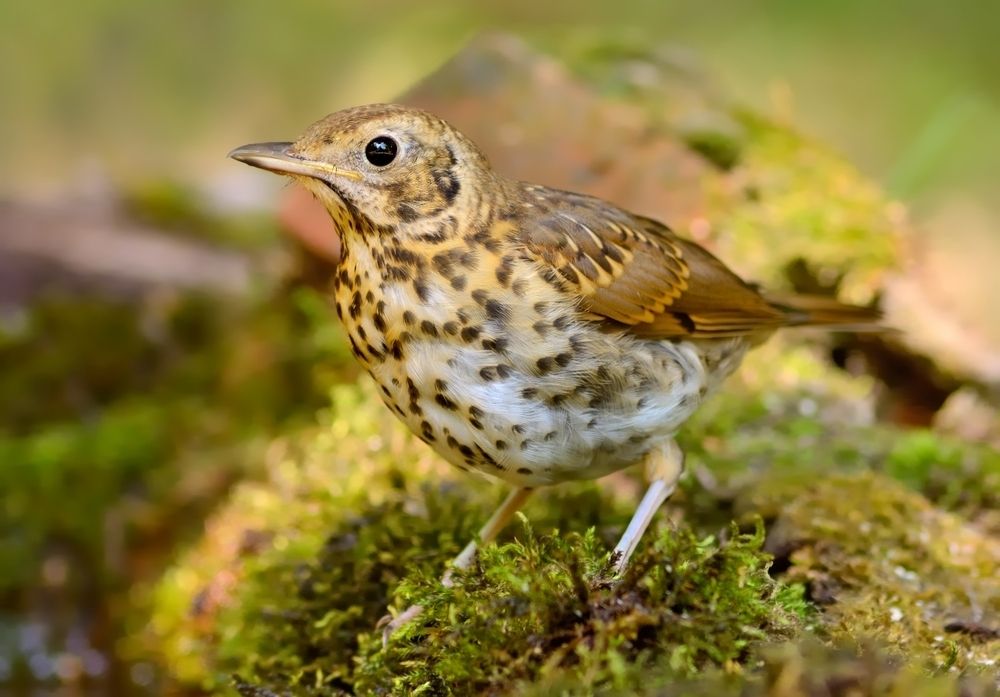
Song thrushes are slightly larger than blackbirds and are largely brown with a black-speckled underbelly. Gardeners love thrushes because they eat snails, bashing them against a rock to break the shells. They also eat worms and fruit. To feed thrushes, soak raisins in hot water to plump them up and put them out on feeding tables, along with berries.
Tips on feeding garden birds
Make your garden more bird-friendly with these simple tips:
-
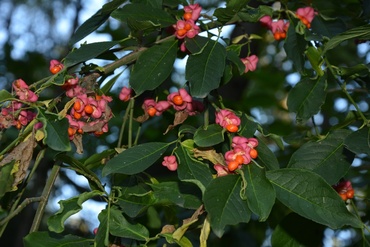
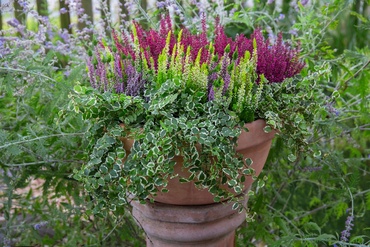
Plant berry-bearing shrubs and ivy to provide birds with food and shelter
-
Keep feeders topped up to avoid birds making wasted trips, especially in winter.
-
Put out water for birds to drink and to wash in.
-
Clean feeders regularly, scrubbing them out in hot soapy water to avoid bacteria build-up that can spread diseases.
You’ll find everything you need for your garden birds in our centres, including feeders, bird food and bird-friendly plants. Come and visit us today!