

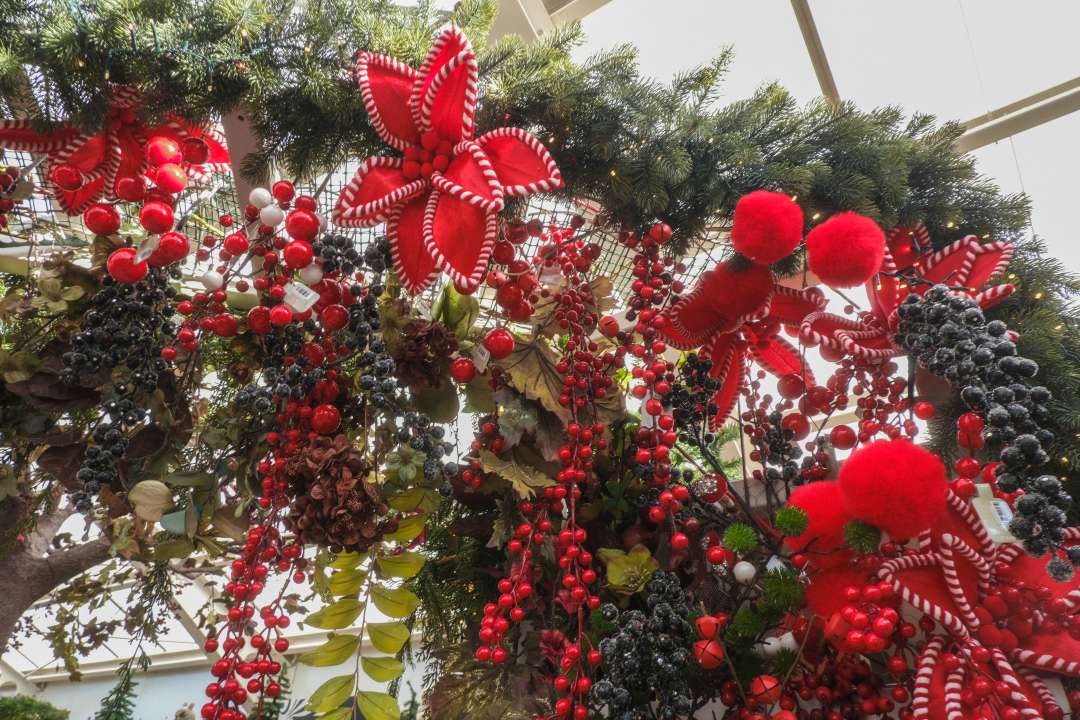
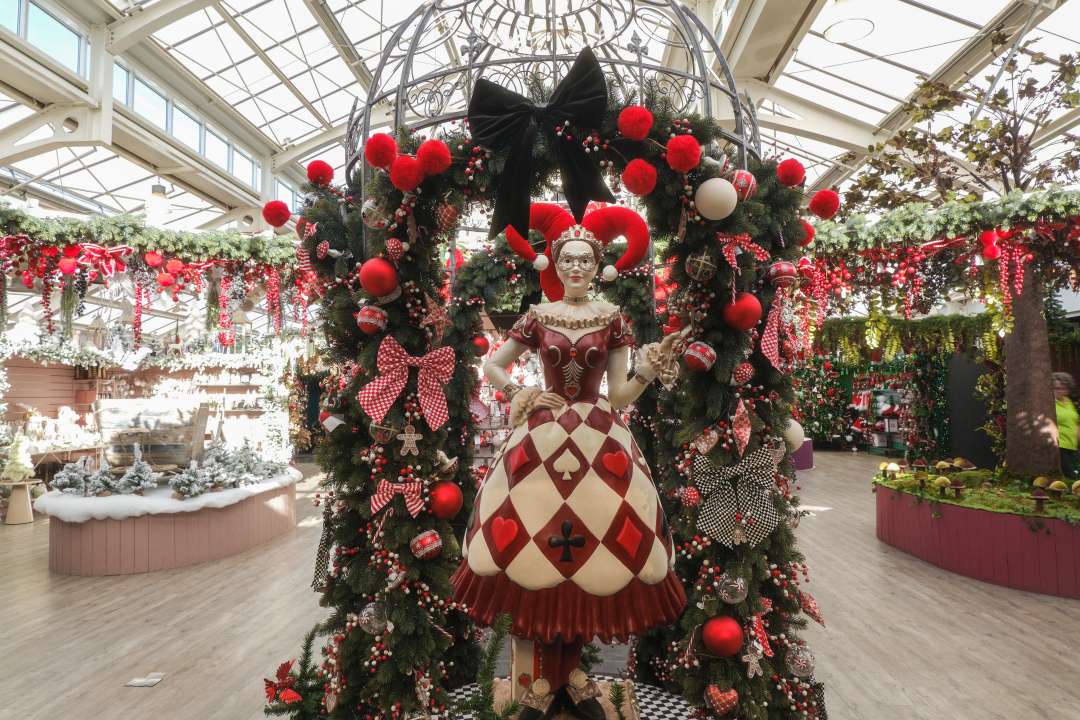
Unlike many nursery rhymes, The Queen of Hearts likely has no deeper political or historical meaning behind it. It was inspired by the face cards of a standard deck and built on the playful wordplay of "hearts" rhyming with "tarts".
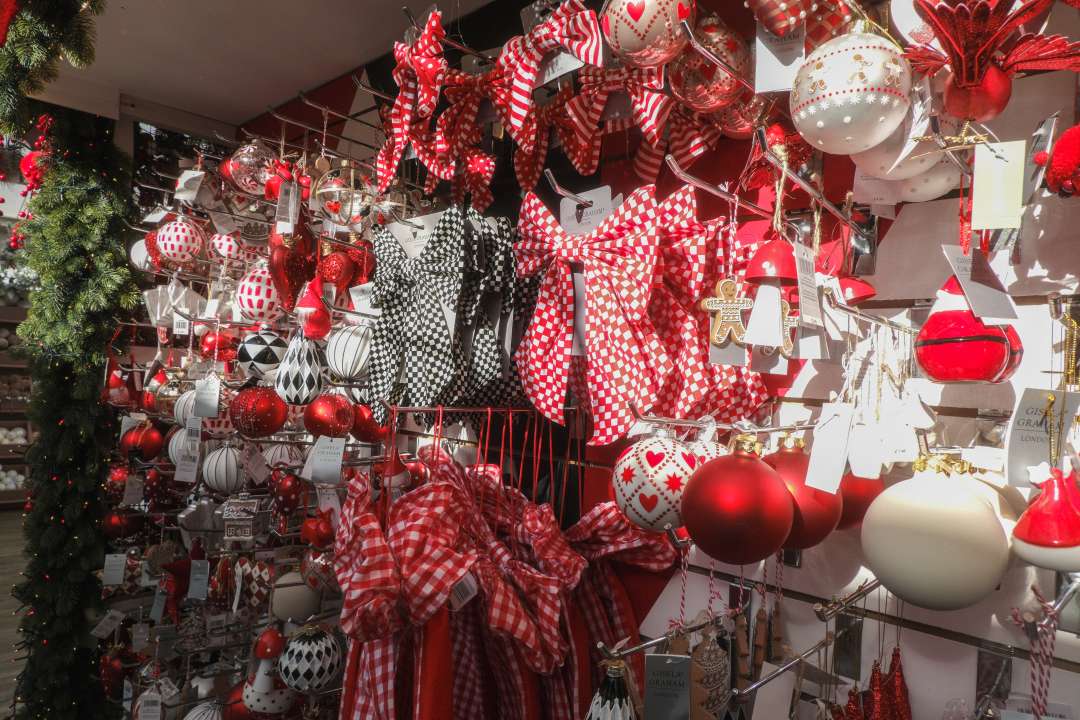
The red, black and cream elements of The Queen of Hearts theme reflect the colours found in a pack of playing cards.


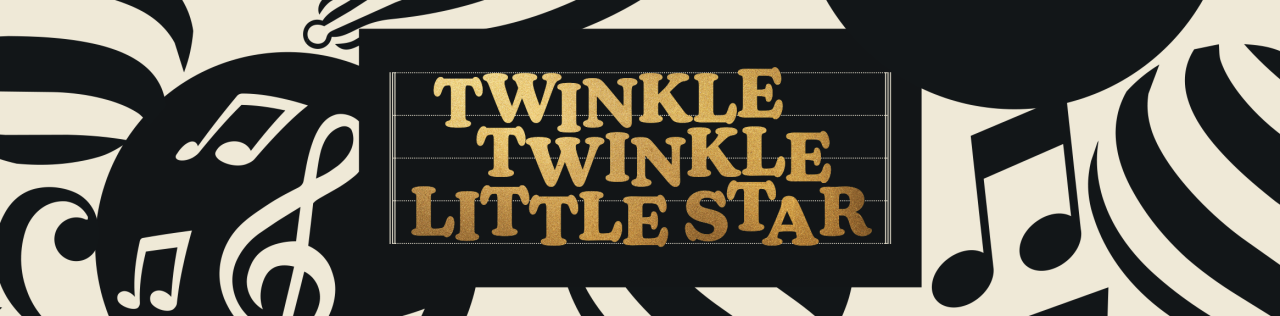
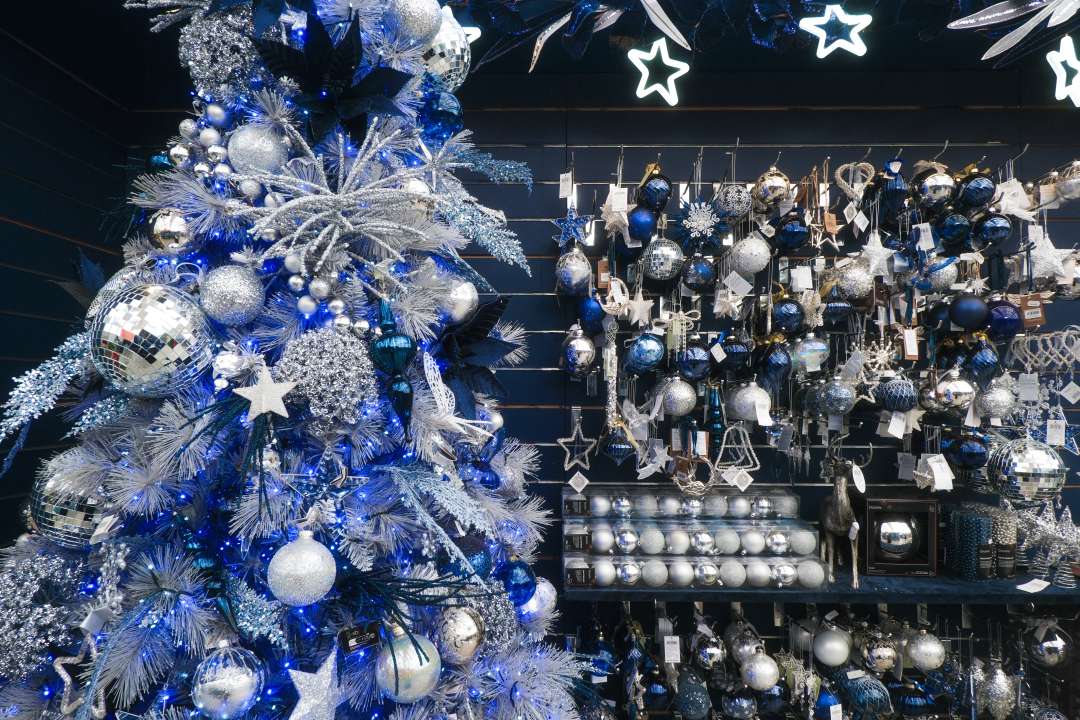
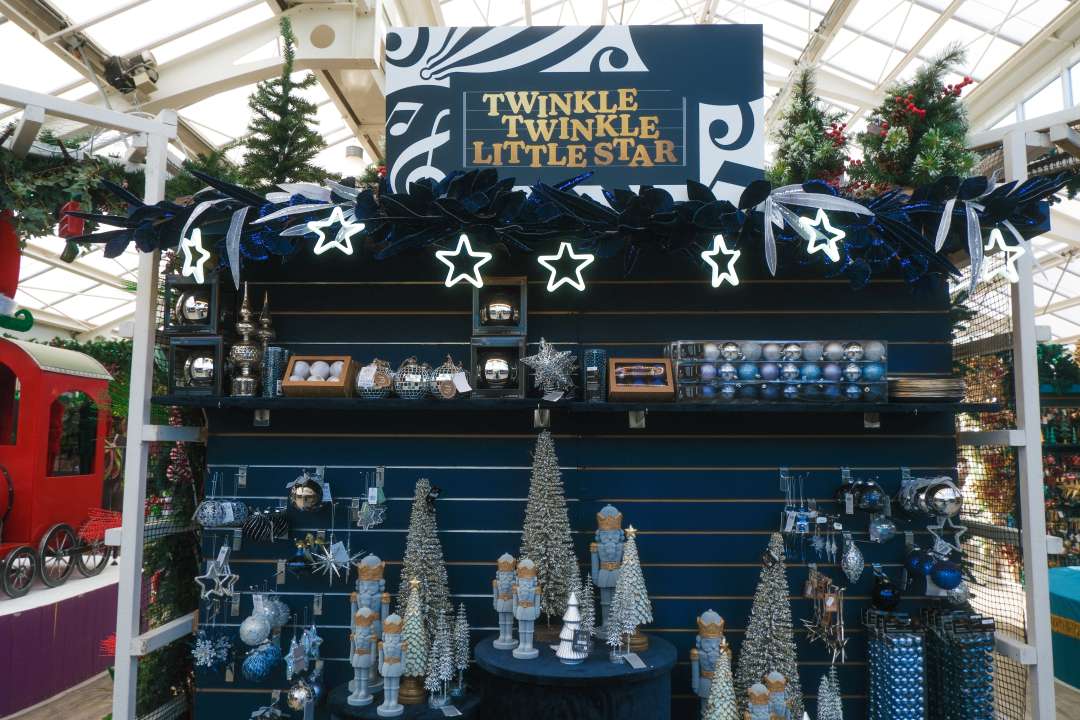
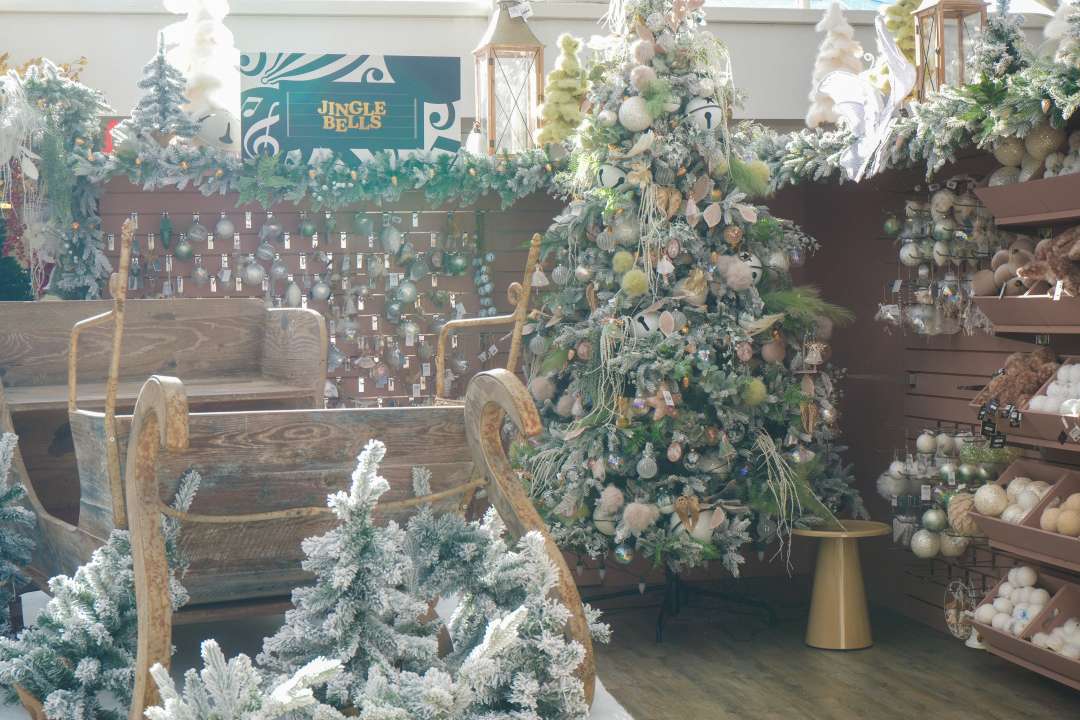
This theme is named after the classic English lullaby Twinkle Twinkle Little Star, which expresses a child's innocent wonder and curiosity about the night sky.
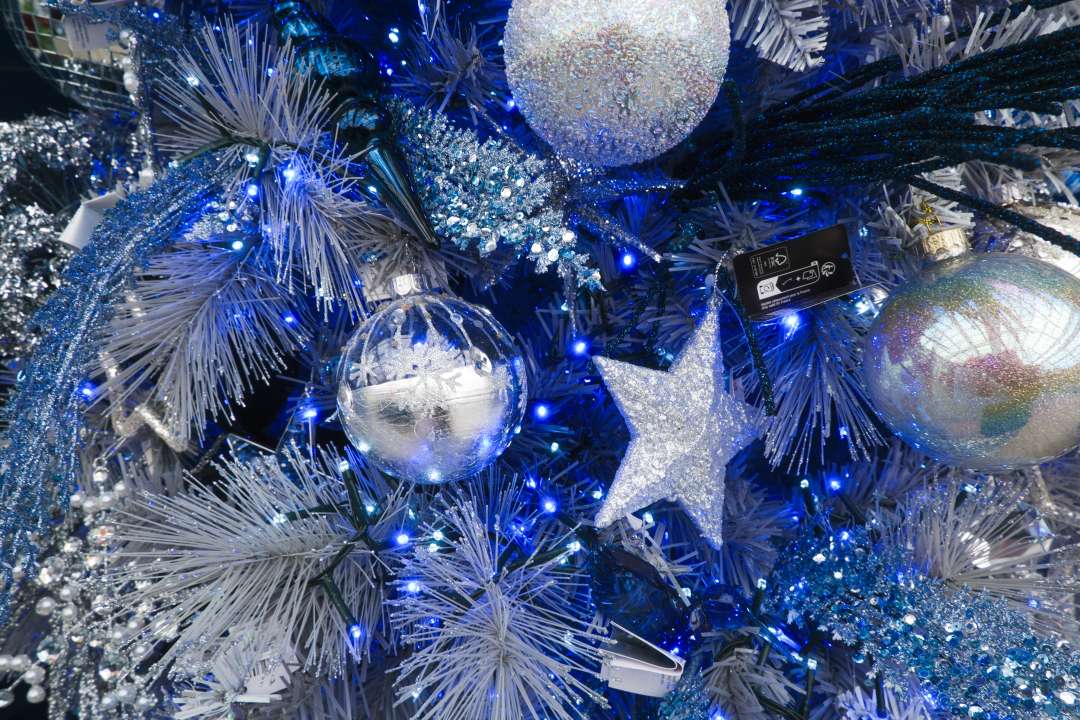
The deep blue of the theme, with stars twinkling throughout, captures the pure awe of looking up at the vast universe, as well as the calming atmosphere of the nighttime lullaby.
Click here to read the full story and lyrics of Twinkle Twinkle Little Star...



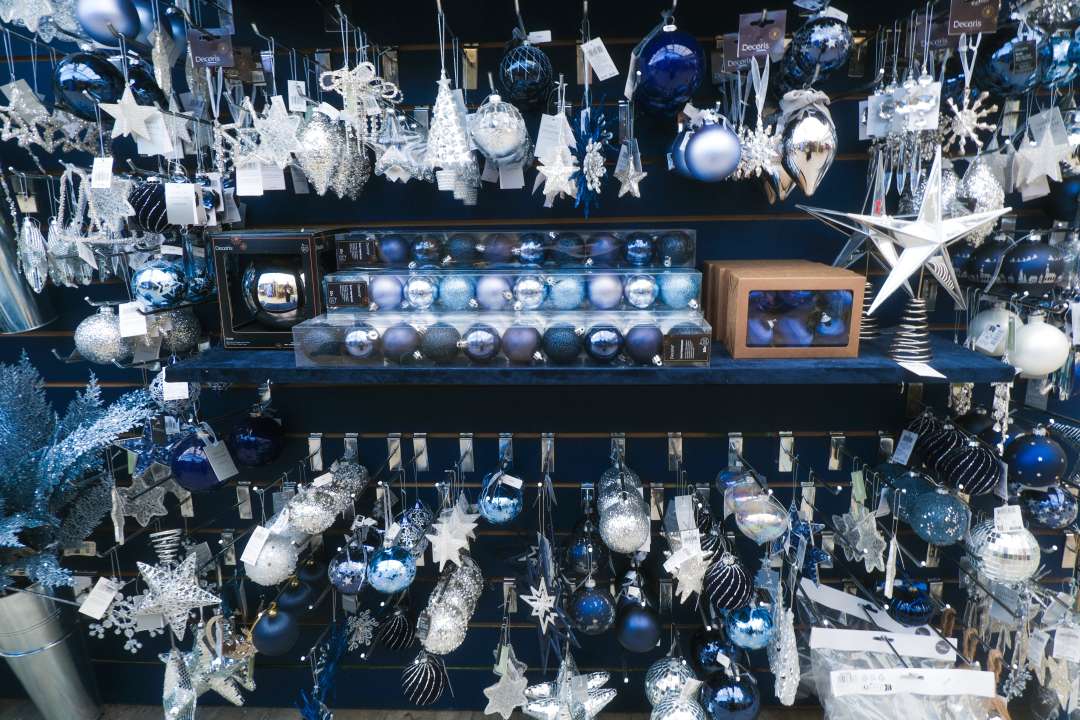
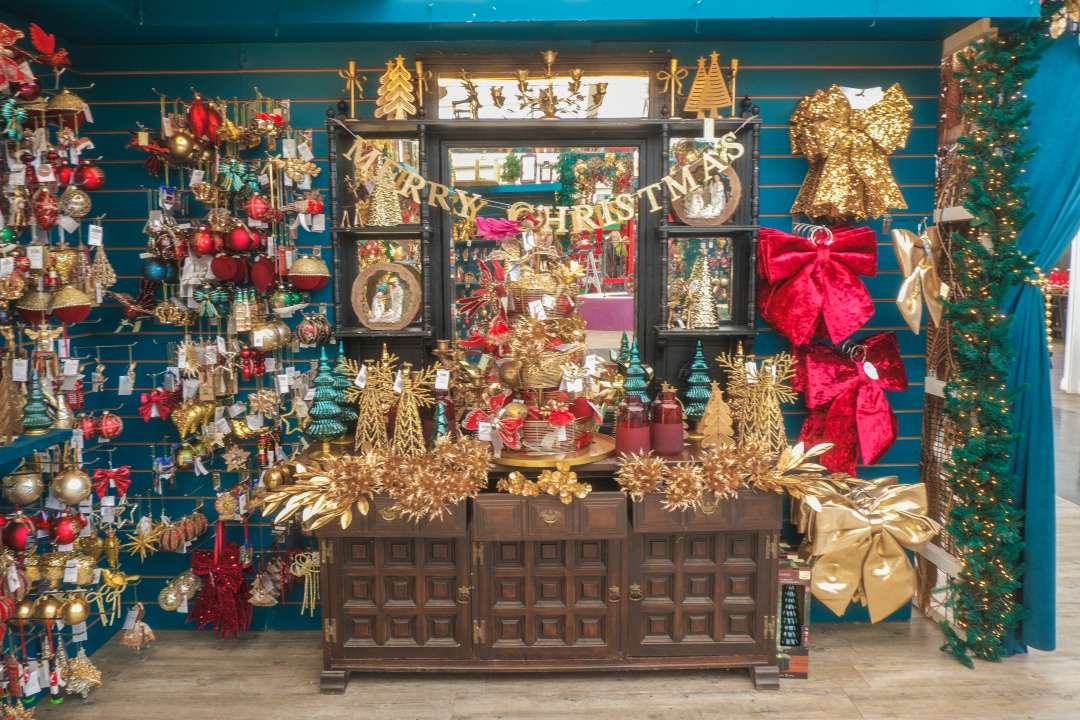
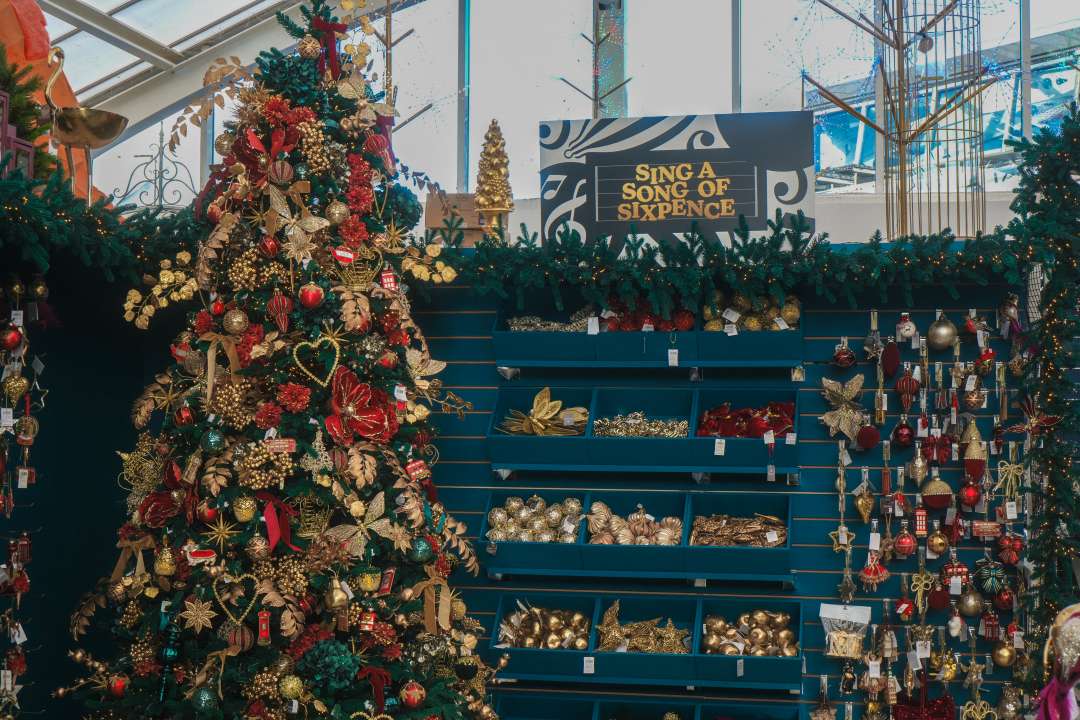
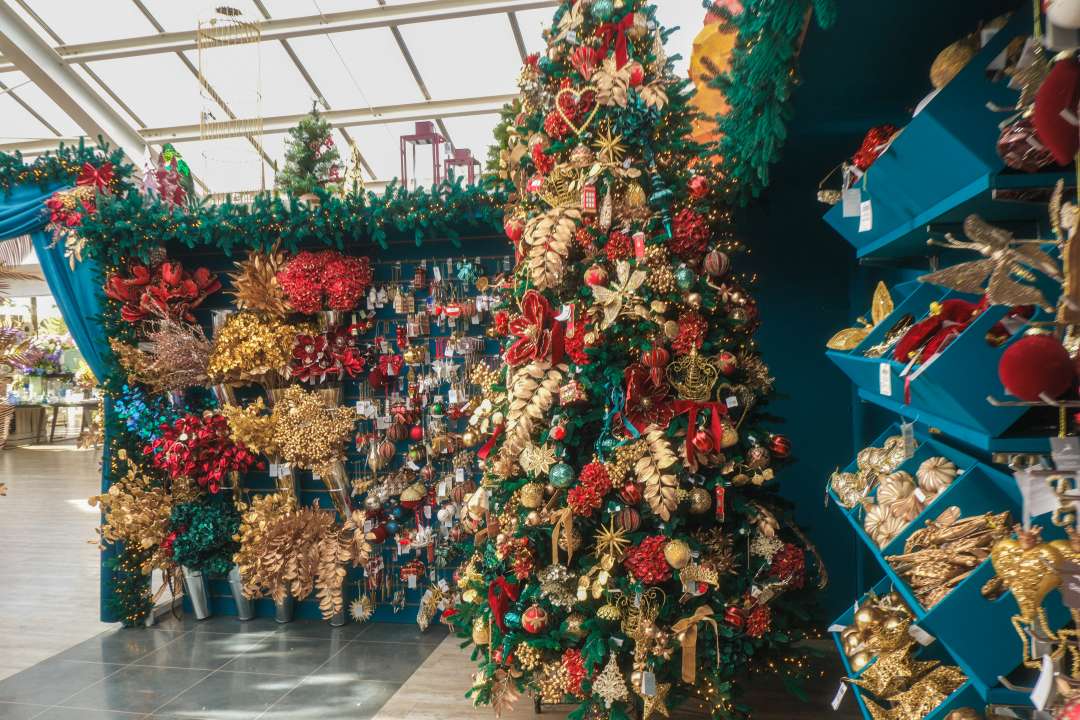
The origins of this nursery rhyme are unclear. Some believe it originated with Shakespeare's Twelfth Night, whilst others speculate the rhyme refers to King Henry VIII, Queen Catherine of Aragon, and the Tudor practice of placing live birds inside empty pie crusts as a banquet surprise!
Tradition and royalty are reflected in this theme, with a mix of luxurious, rich jewel tones and glittering accents.


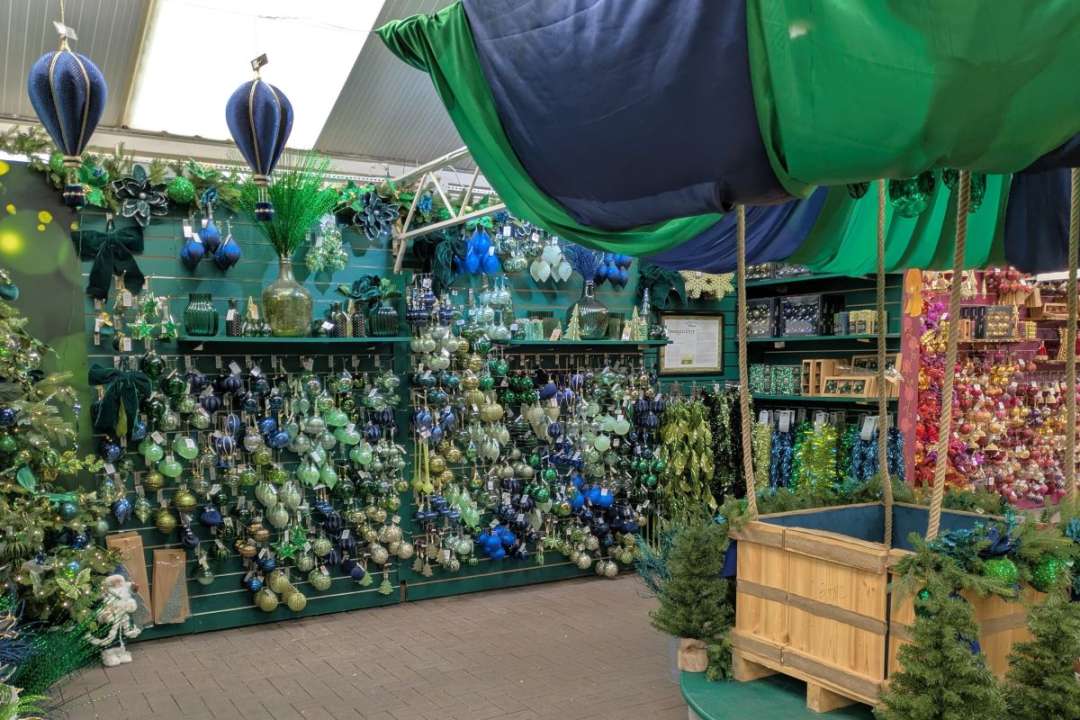
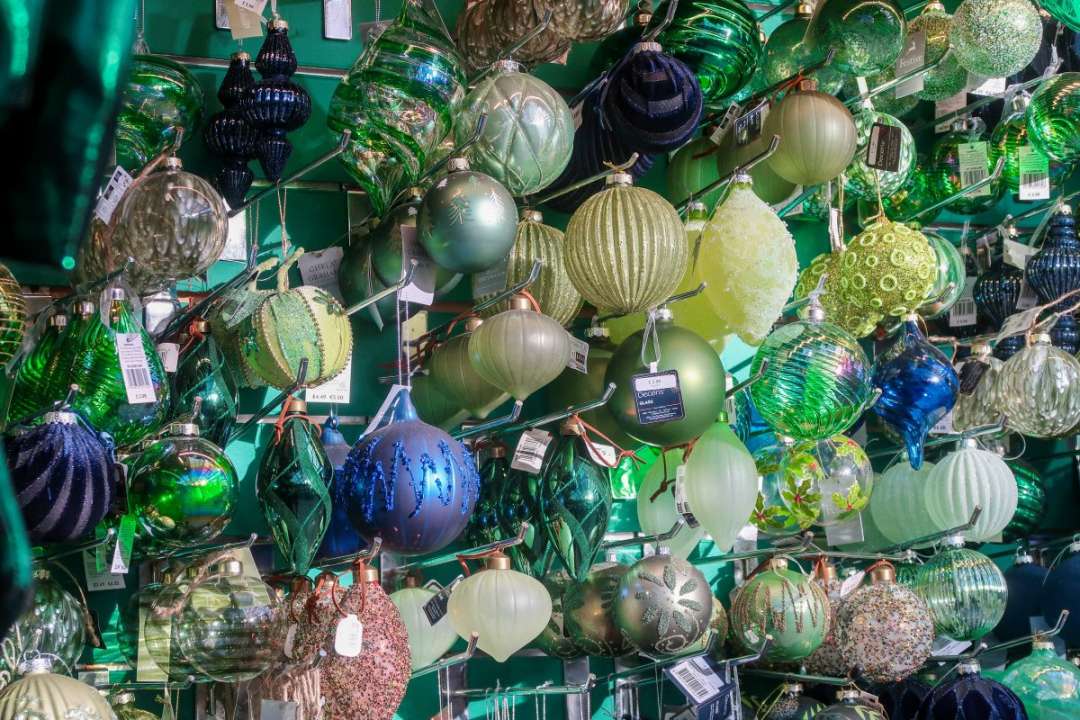
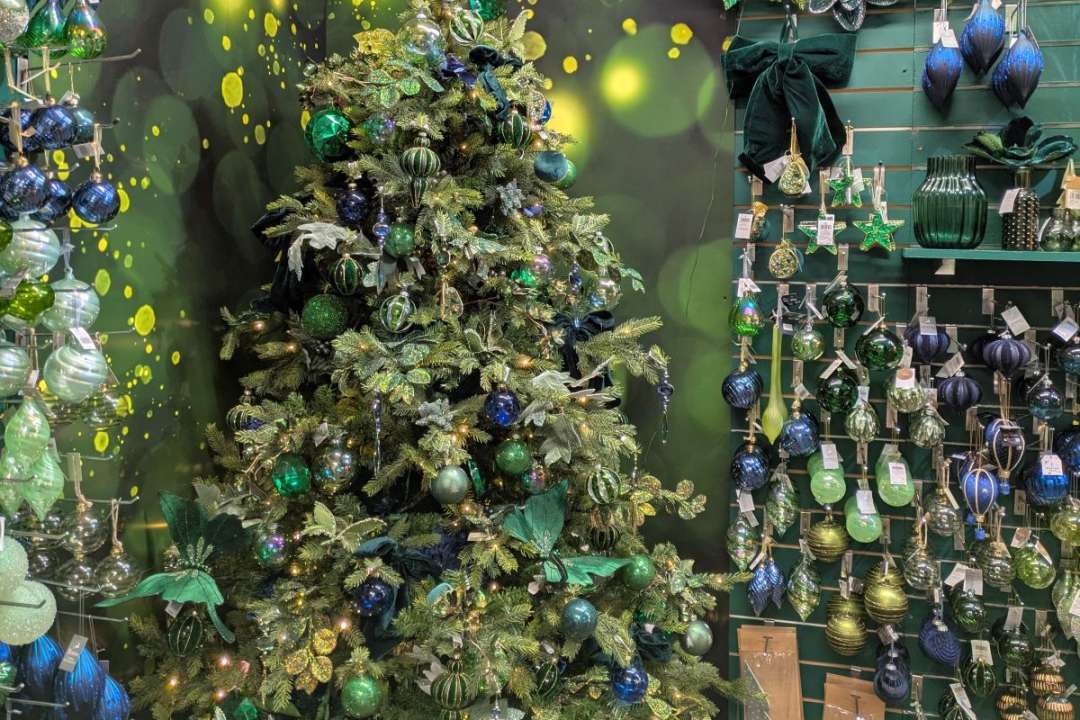
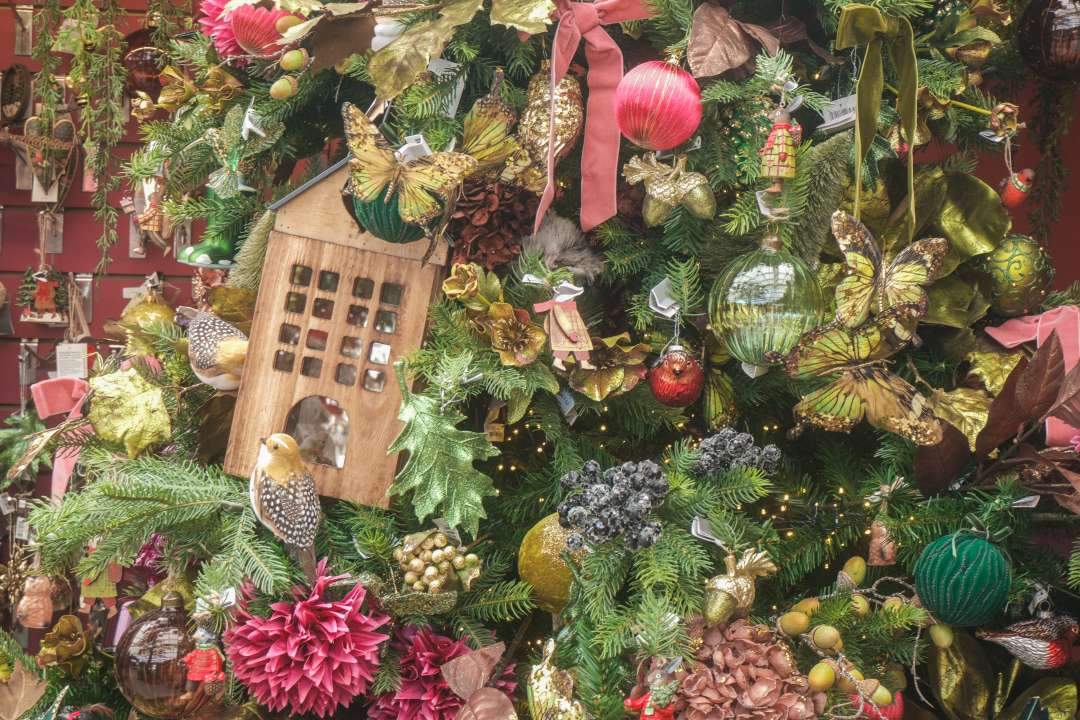
Although no record of Little Miss Muffet exists before 1805, it is likely to be considerably older given its similarity to other rhymes. All these early rhymes may be parodies of whichever unknown rhyme came first. Interestingly, several published versions exist with significant variations, including "Little Miss Mopsey, Sat in the shopsey" (1842).
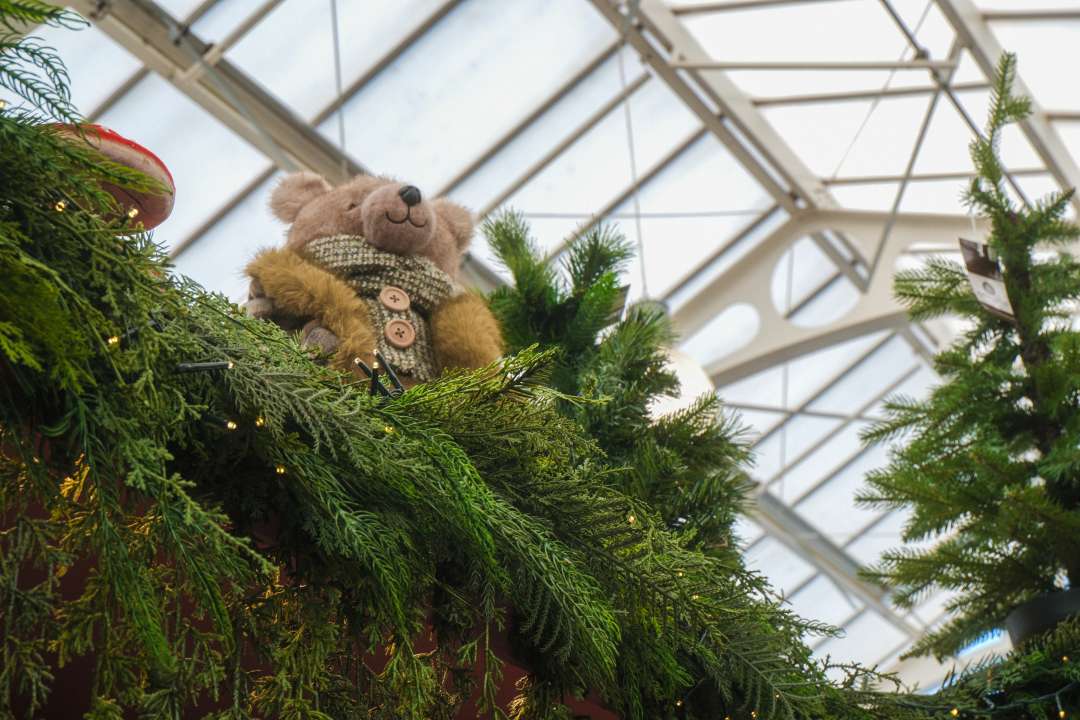
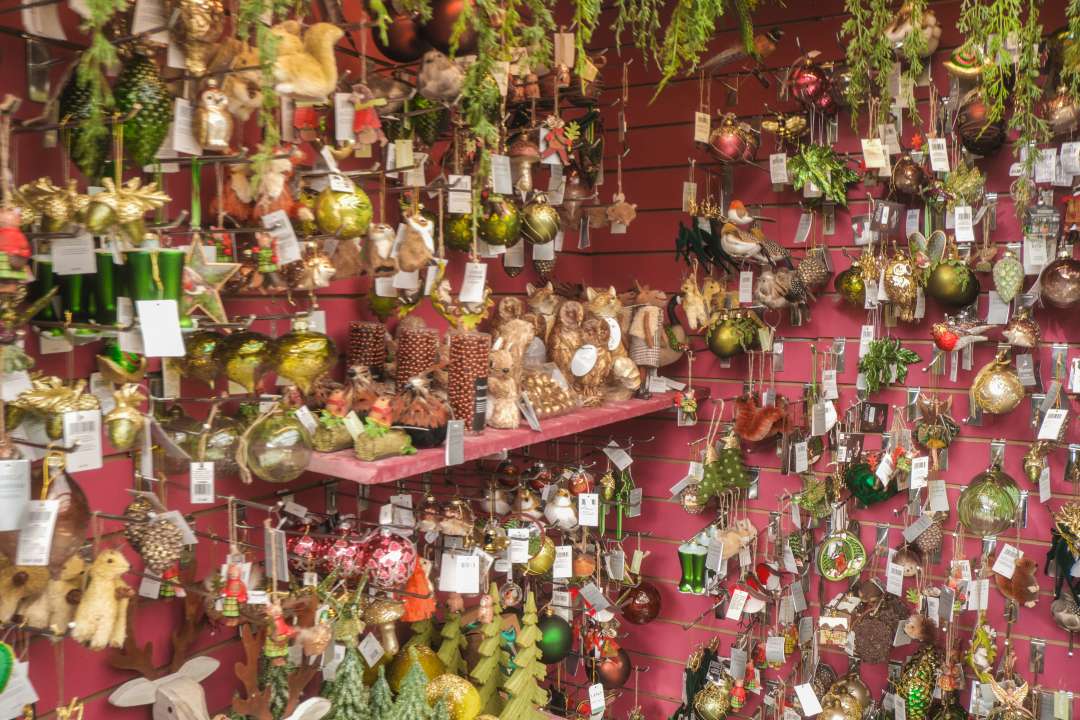
The earthy greens and browns of this theme represent the natural world, and the tuffet Miss Muffet sits upon. Look up to spot some friendly forest inhabitants.


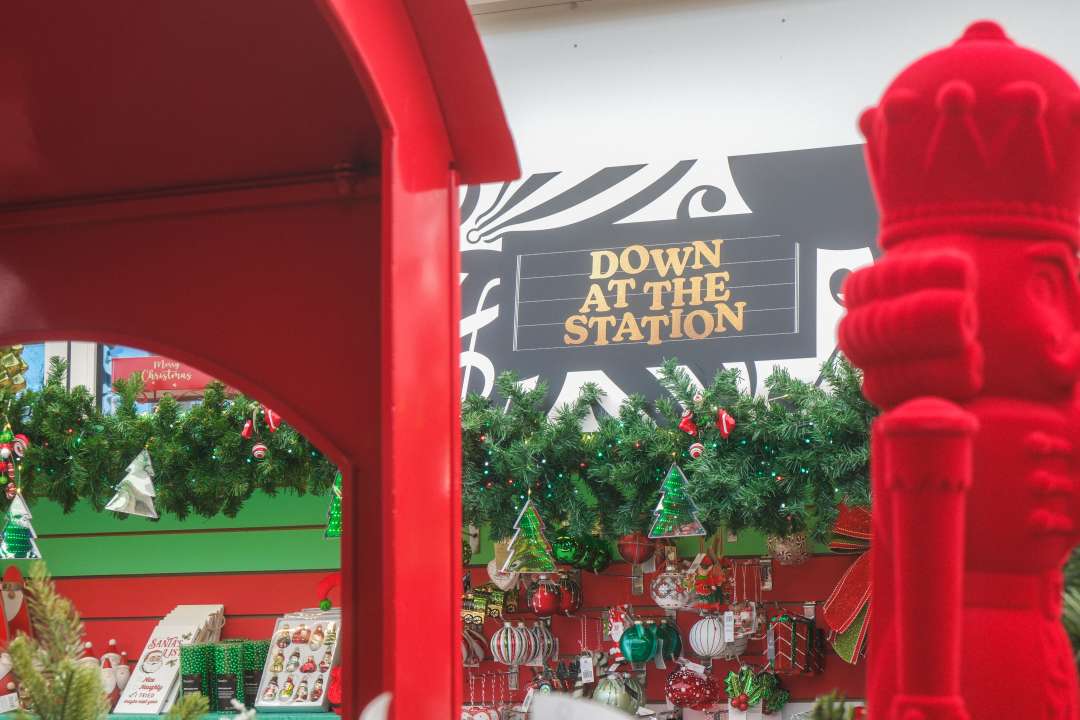


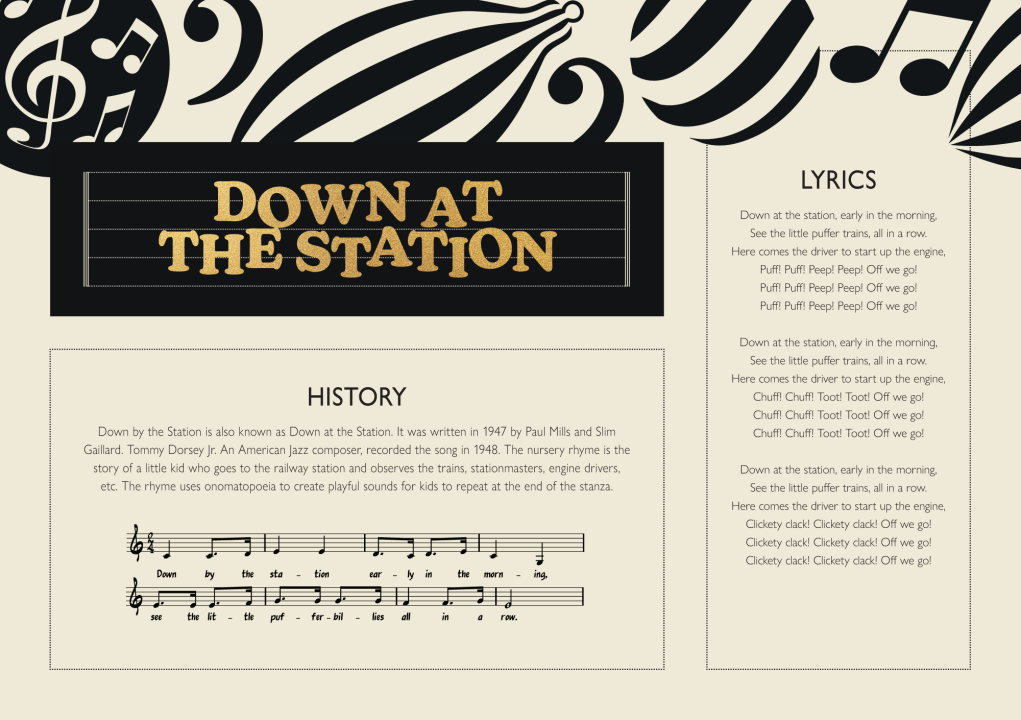
Down at the Station is a simple song, written in 1947, about a railroad station master seeing the steam locomotives off to work.
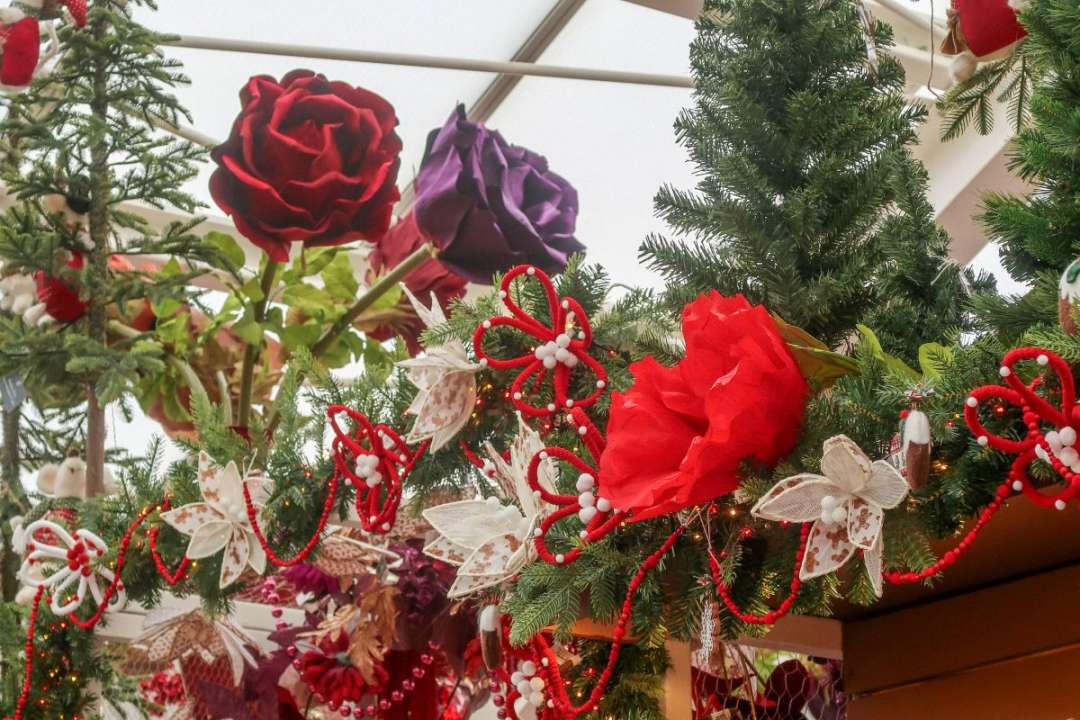
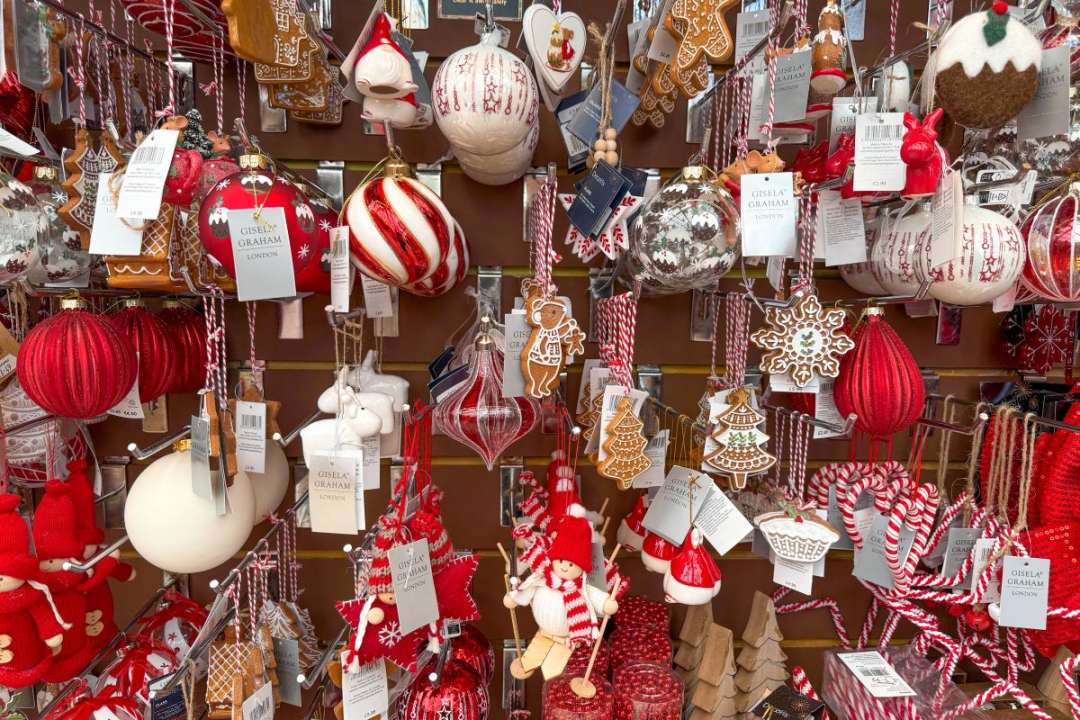
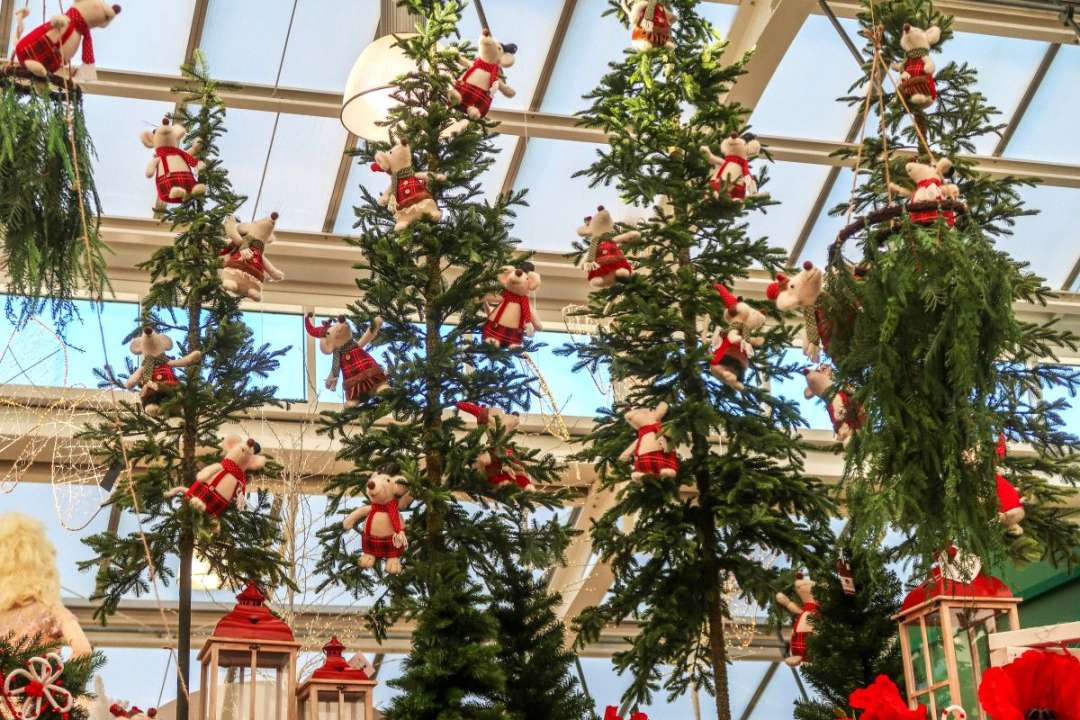
Featuring our very own Garsons train, this theme is bold and bright, with pops of red and cheeky elves working at the station!
Click here to read the full history of Down at the Station...
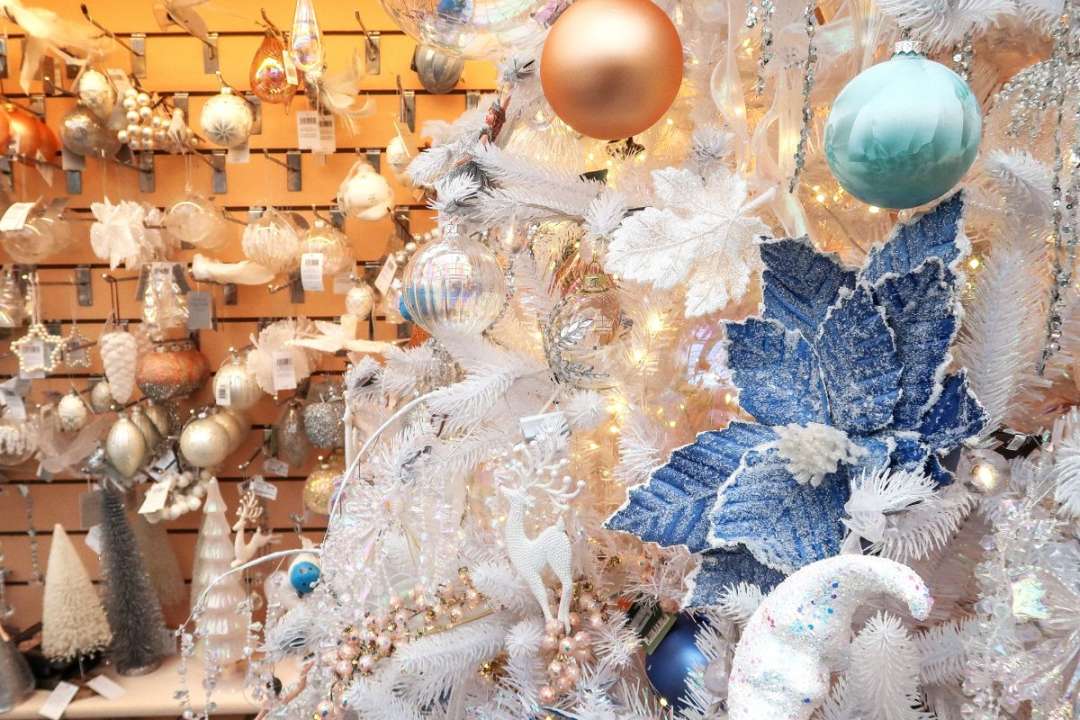
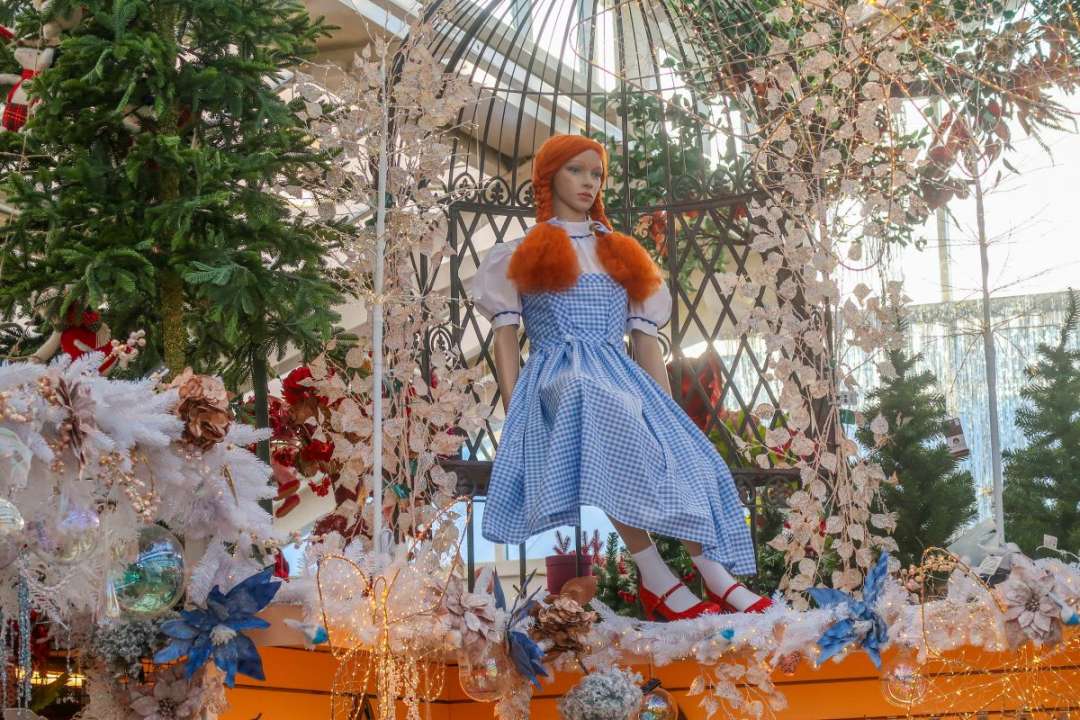
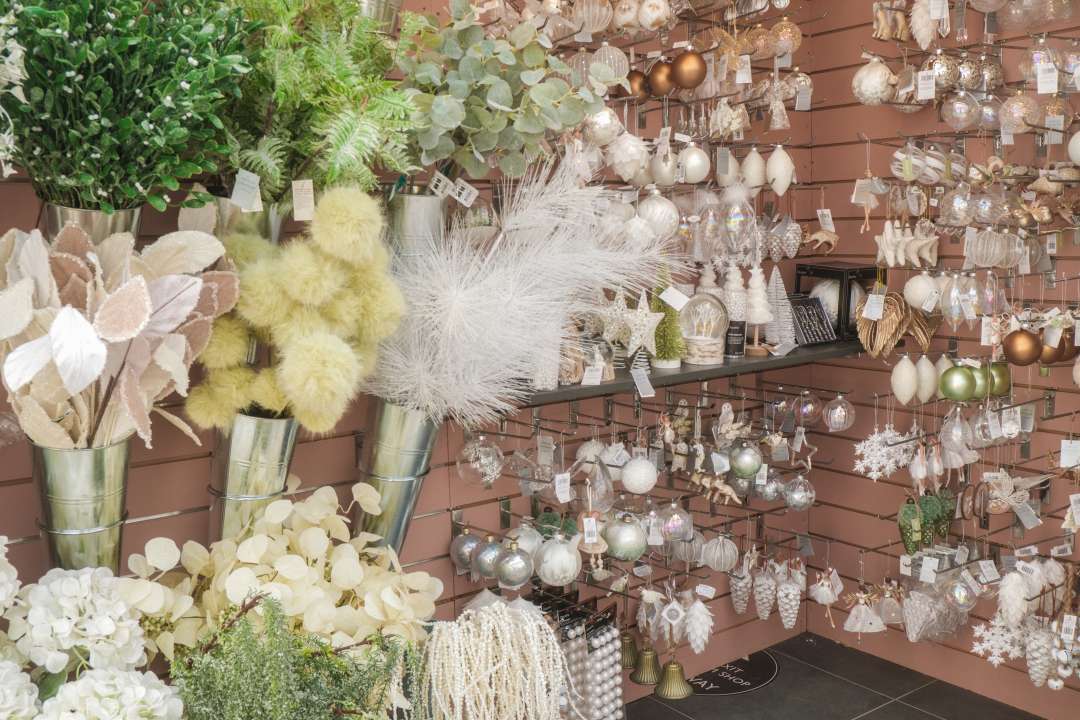
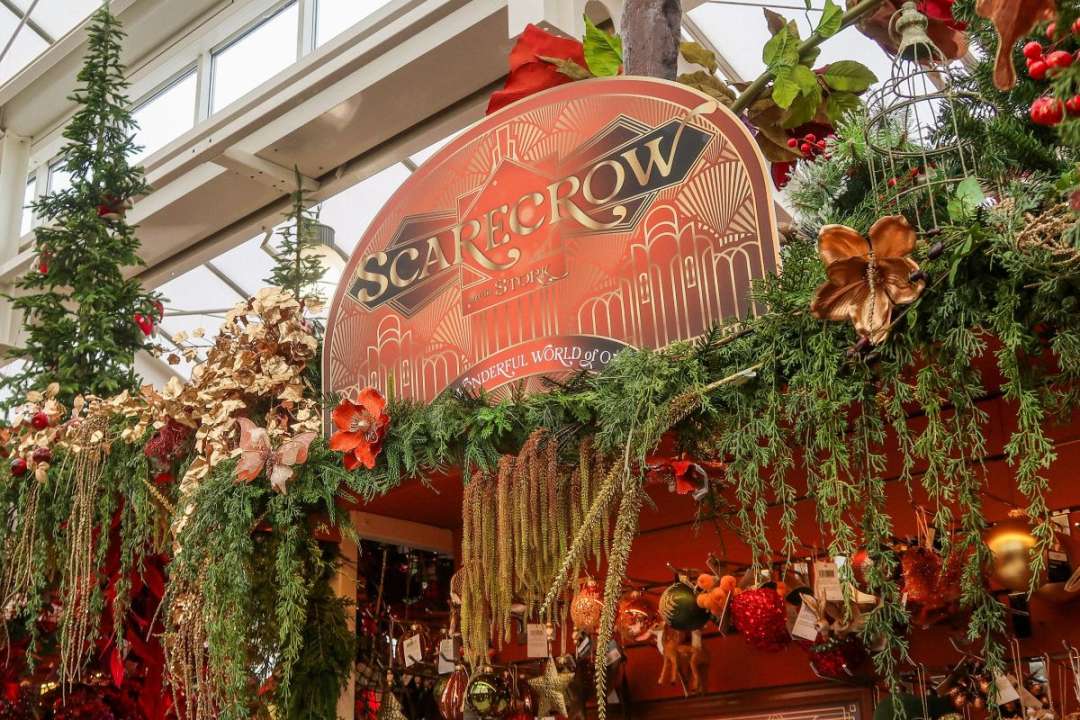
Scarecrow was introduced in the middle of the Munchkin Country of Oz, placed high up on a wooden pole in the cornfields of the Munchkin farming community. His head is described as an overstuffed sack filled with straw, with a mouth, nose, ears, and eyes painted on with blue paint, with two big blue buttons for pupils. The Scarecrow was saved by a giant stork in The Wonderful Wizard of Oz.
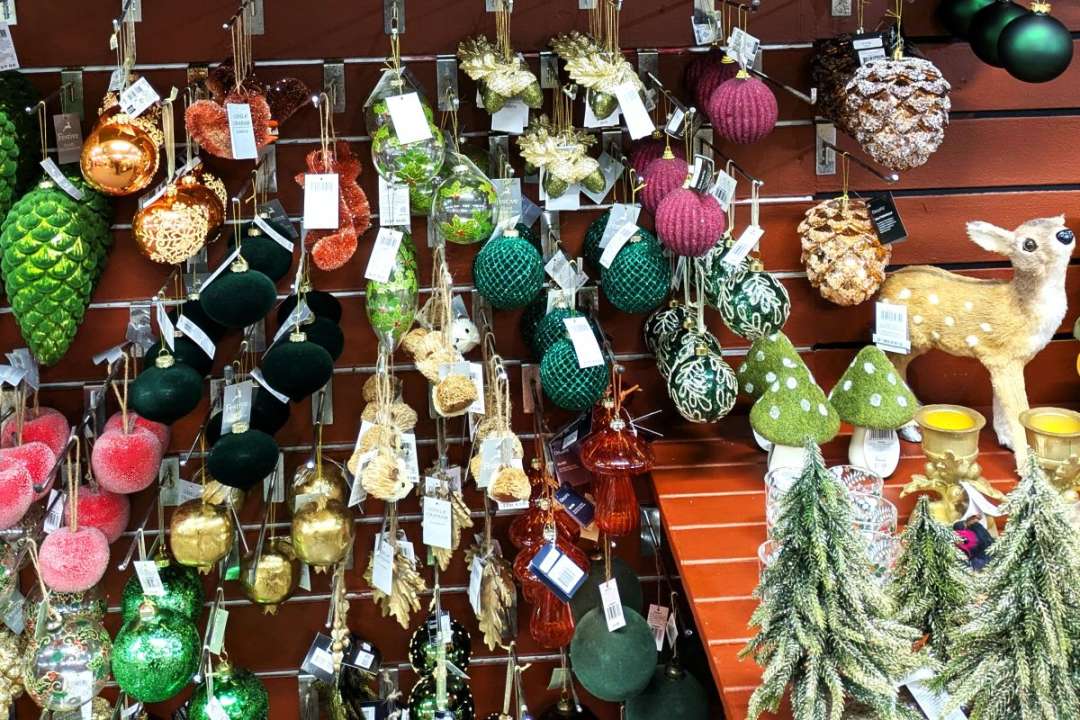
The oranges, browns and woodland creatures of this theme echo the colours of the Scarecrow and his countryside home.

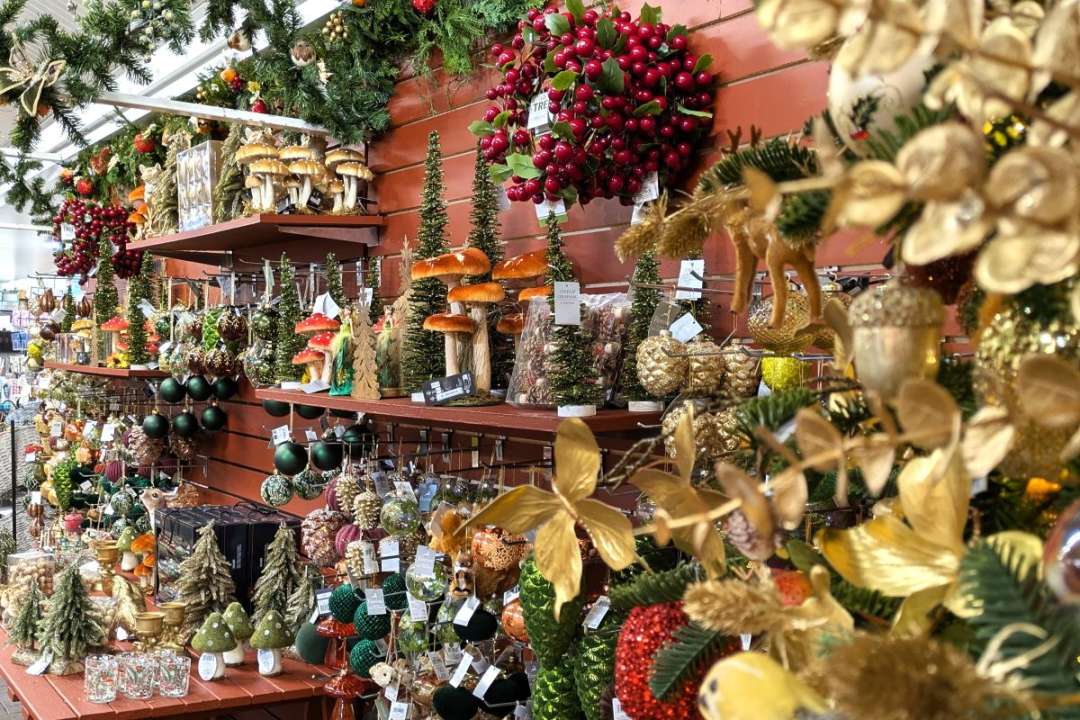
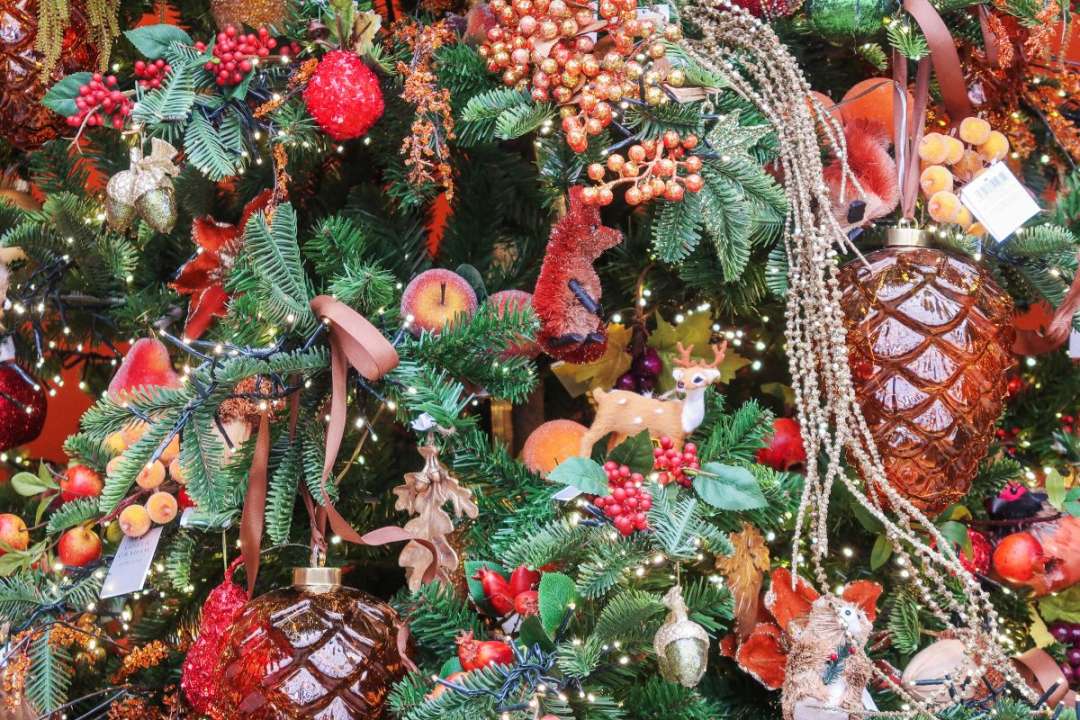
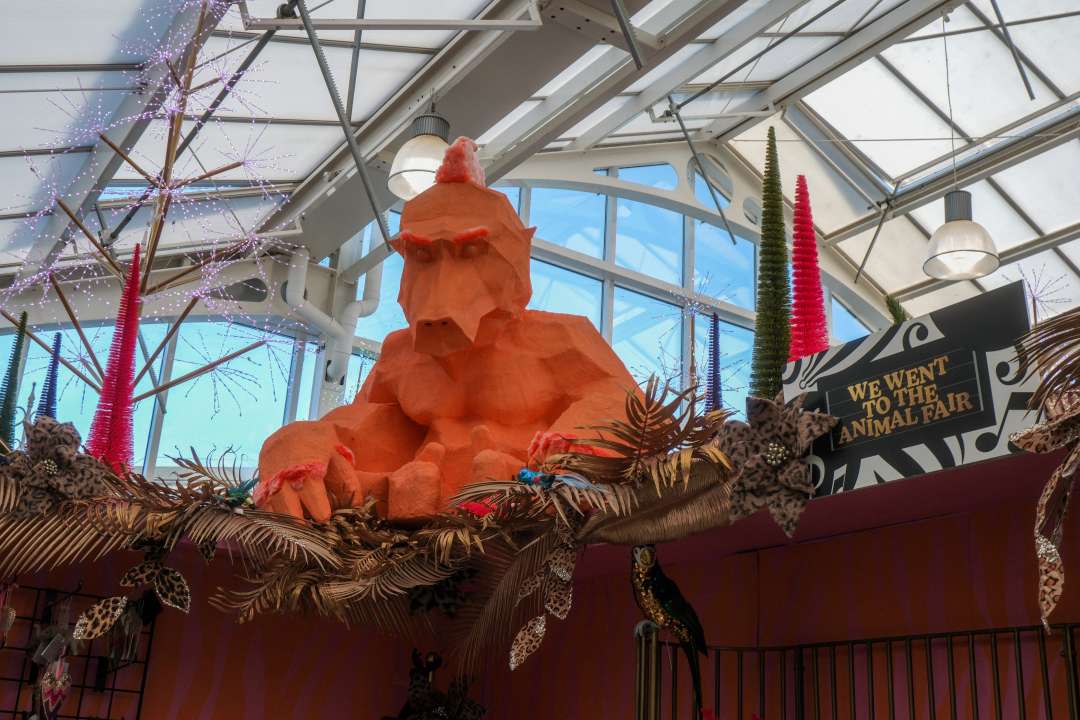
We Went to the Animal Fair is a traditional American/folk nonsense verse that tells the story of a visitor who watches a silly scene unfold at the animal fair. He sees human-like animals acting out funny, chaotic misadventures.
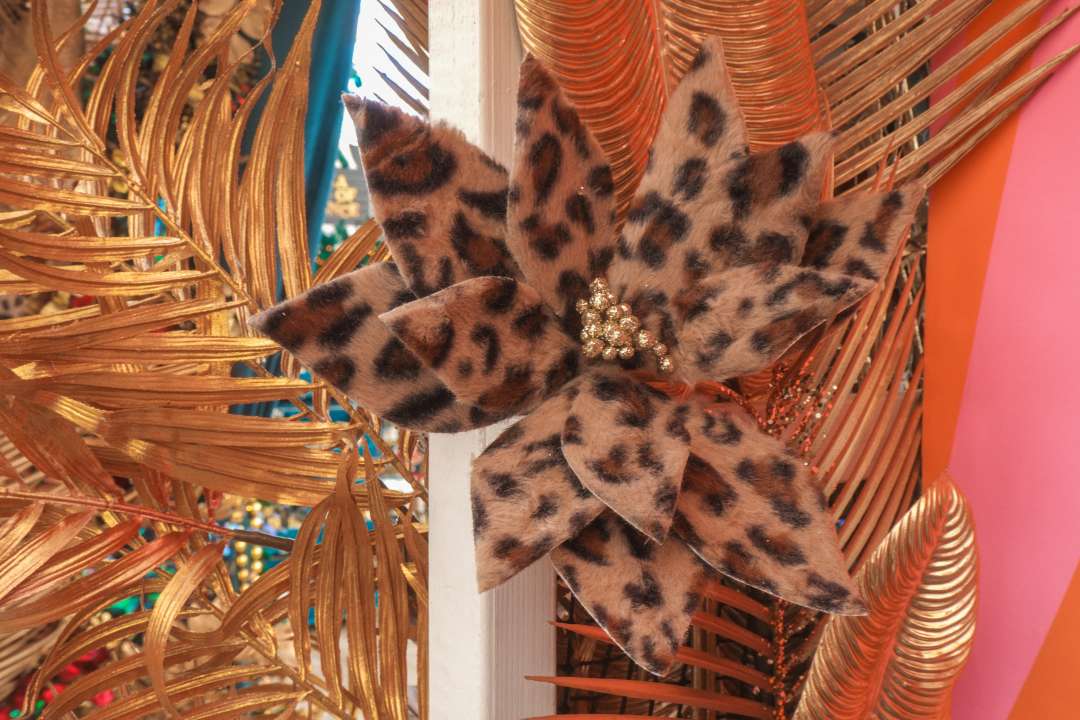
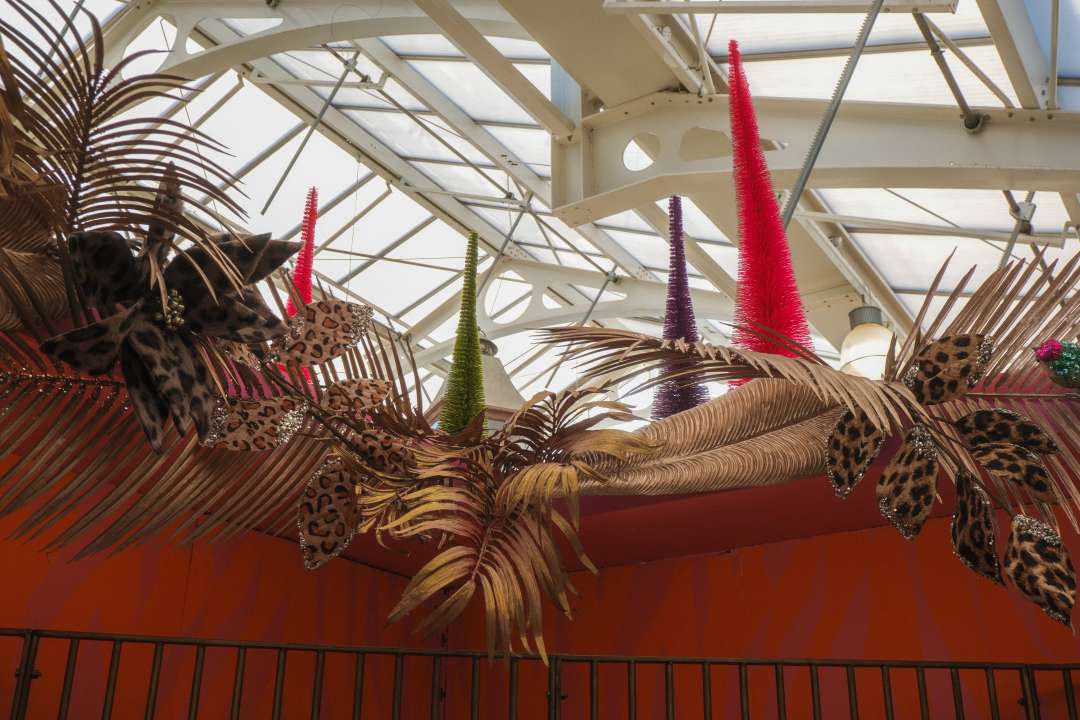
This theme is full of interesting animal prints and patterns, reflecting the exotic animals you might find at the fair!
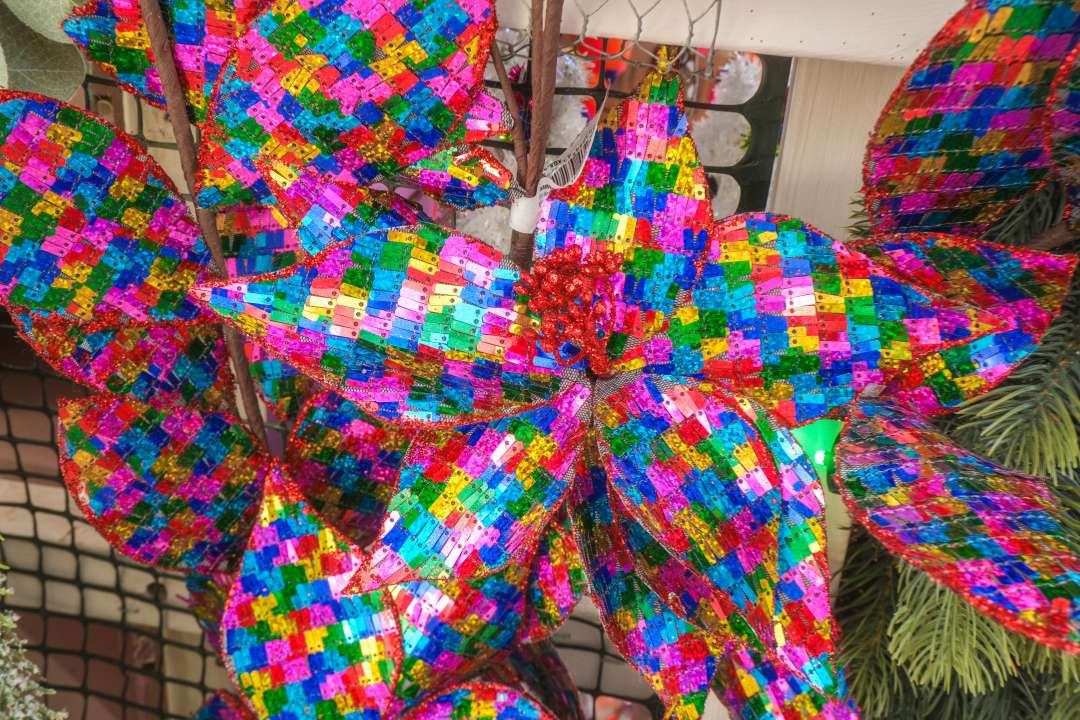
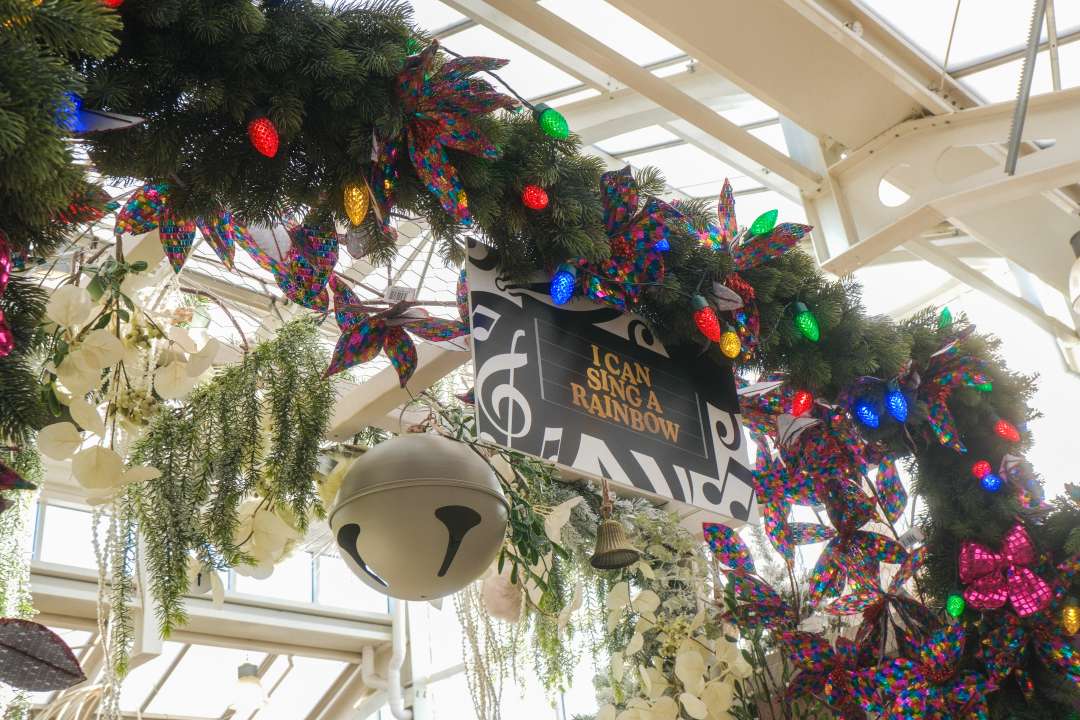
I Can Sing a Rainbow has been used to teach children the names of colours. Despite the title, two of the seven colours mentioned (pink and purple) are not actually colours of the rainbow!
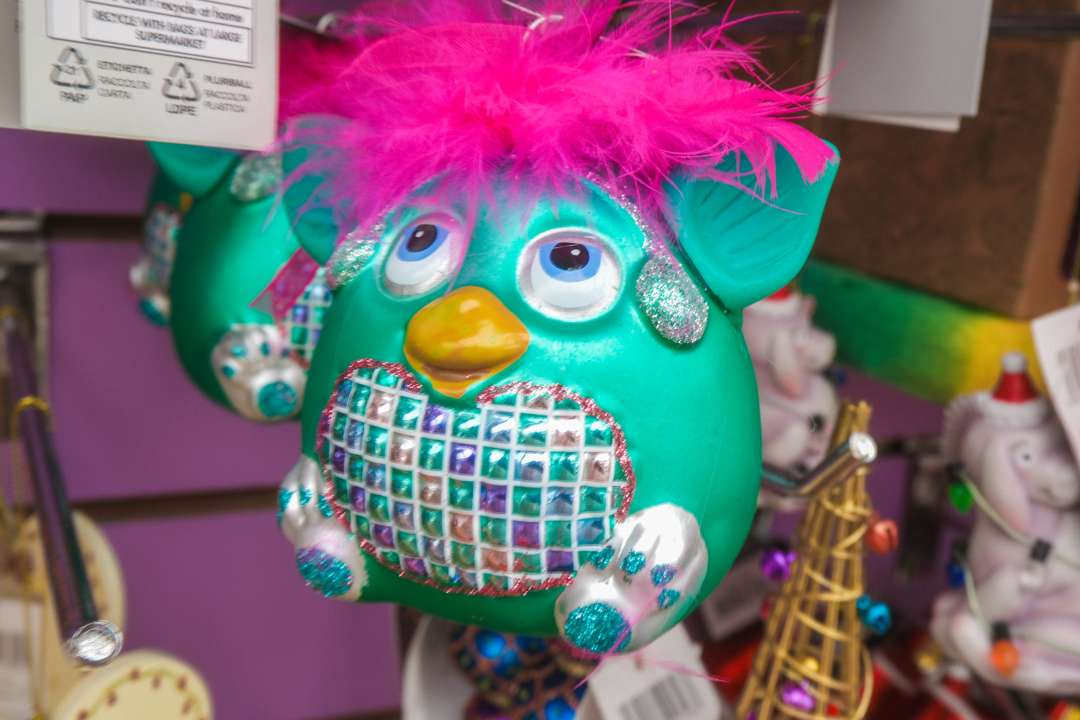
This theme is an explosion of colour, nostalgia, and whimsy.